The Best Coloring Supplies for Kids of Every Age
A simple, age-by-age guide to crayons, pencils, markers, and paints that work best with printable nature coloring pages.
Picking the right coloring supplies makes the difference between an activity that lasts ten minutes and one that holds a child's attention for an entire afternoon. The trick isn't buying the most expensive set — it's matching the tool to the age and the page.
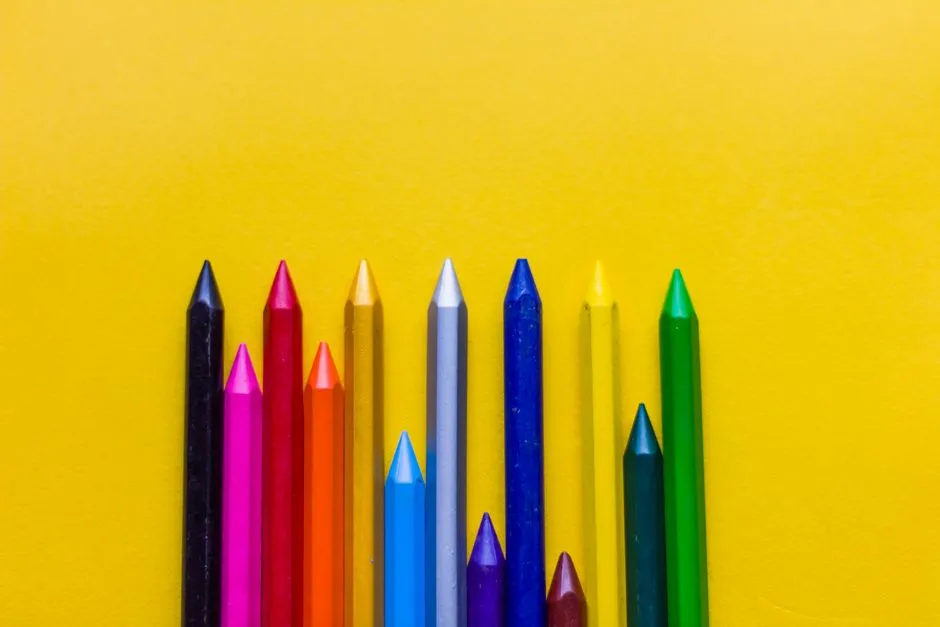
Ages 2 to 4 — chunky, washable, forgiving
For toddlers and pre-K kids, the priorities are durability, washability, and a grip small hands can actually hold. Triangular or chunky crayons (Crayola My First, Stockmar Block) are nearly impossible to break and won't roll off the table. Washable markers like Crayola Pip-Squeaks have caps that pop off easily and ink that comes out of fabric and skin without a fight. Skip colored pencils at this age — they require pressure most toddlers can't yet apply, and snapping leads frustrate everyone.
Ages 5 to 7 — standard crayons and chunky pencils
This is the sweet spot for traditional Crayola 24-packs and Faber-Castell Jumbo colored pencils. Kids in this age range can handle finer outlines and start showing pattern preferences — stripes on a tiger, scales on a snake, dots on a ladybug. Pair with a small handheld pencil sharpener and a portable case so the supplies travel between home and school easily.
Ages 8 to 11 — colored pencils and fine markers
Once kids hit elementary upper grades, fine motor control opens up a whole new range of supplies. Soft colored pencils like Prismacolor Premier or Faber-Castell Polychromos let kids blend and shade, turning a simple bird outline into a small piece of art. Fine-tip markers (Tombow ABT, Crayola SuperTips) are excellent for filling in detailed insect wings and scaled reptiles. This is also the age when watercolor pencils become magic — color the page dry, then go over it with a wet brush and watch it bloom.
Ages 12 and up — anything goes
Middle and high schoolers can use anything an adult colorist would: alcohol markers (Copic, Ohuhu), gel pens for highlights, fineliners for added detail, even brush pens for hand-lettered captions. At this stage coloring becomes more about the process than the product, and the supplies should support whatever style the kid is exploring.
A quick guide to paper compatibility
Not every supply works on every paper. Here's the short version: crayons work on anything; colored pencils work best on slightly textured paper that holds pigment; markers and gel pens need at least 24-lb paper to avoid bleed-through; alcohol markers really want marker-specific paper or 32-lb cardstock. Print Nature Doodle outlines on the heaviest paper your printer can handle — the line work stays sharp and you keep your options open.
What to skip
Skip the giant 100-color sets unless your kid specifically asks. They look impressive but most kids end up using the same 12 colors. A solid 24-pack of high-quality pencils or markers will outlast and outperform a cheap mega-pack every time. Skip metallic and glitter pens for serious coloring — they look great in person but smear easily and don't photograph well if you want to share the finished art.
Storage matters
Half the battle of keeping kids interested in coloring is making the supplies easy to find. A simple plastic caddy with separate compartments for crayons, pencils, and markers lets kids set up and clean up themselves, which means coloring stays a low-stakes, anytime activity instead of a production. Put it on a low shelf with a stack of printed pages on top, and watch how often it gets pulled out.