Wetland Wildlife Pack
Coloring pages of herons, frogs, dragonflies, alligators, and the wetland plants that hold these ecosystems together.
14 coloring pages in this pack.
Pages in this pack
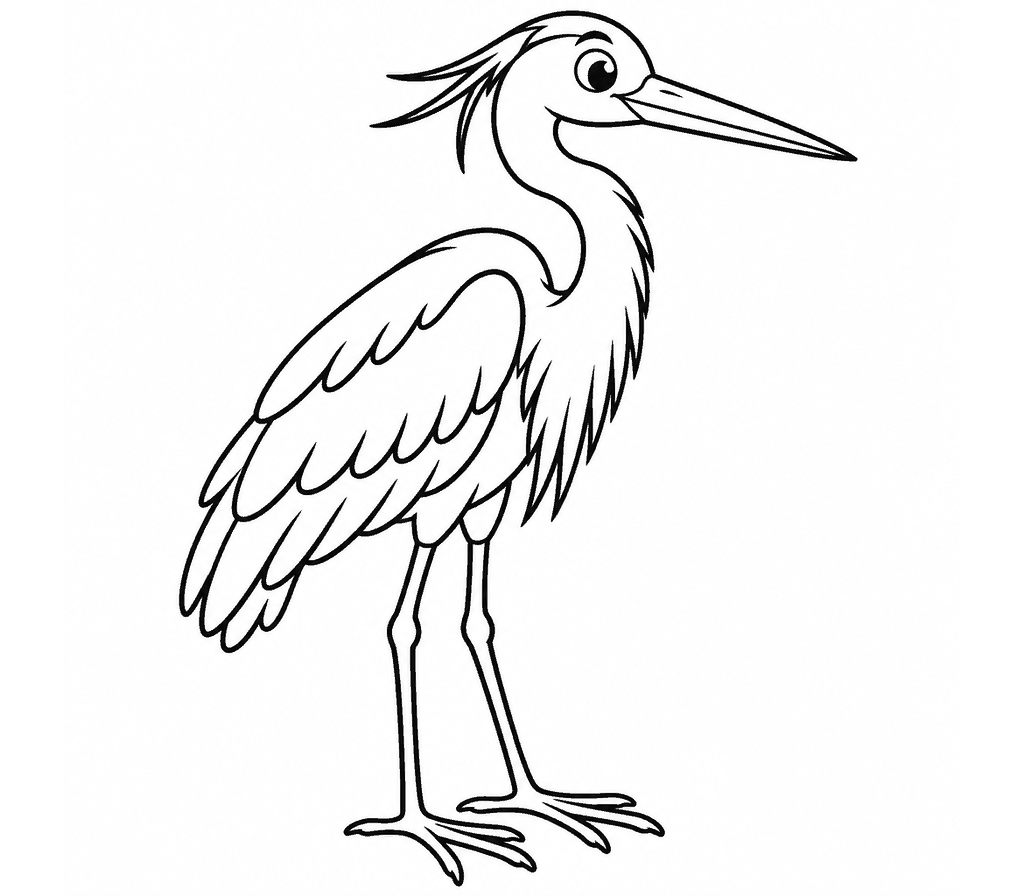
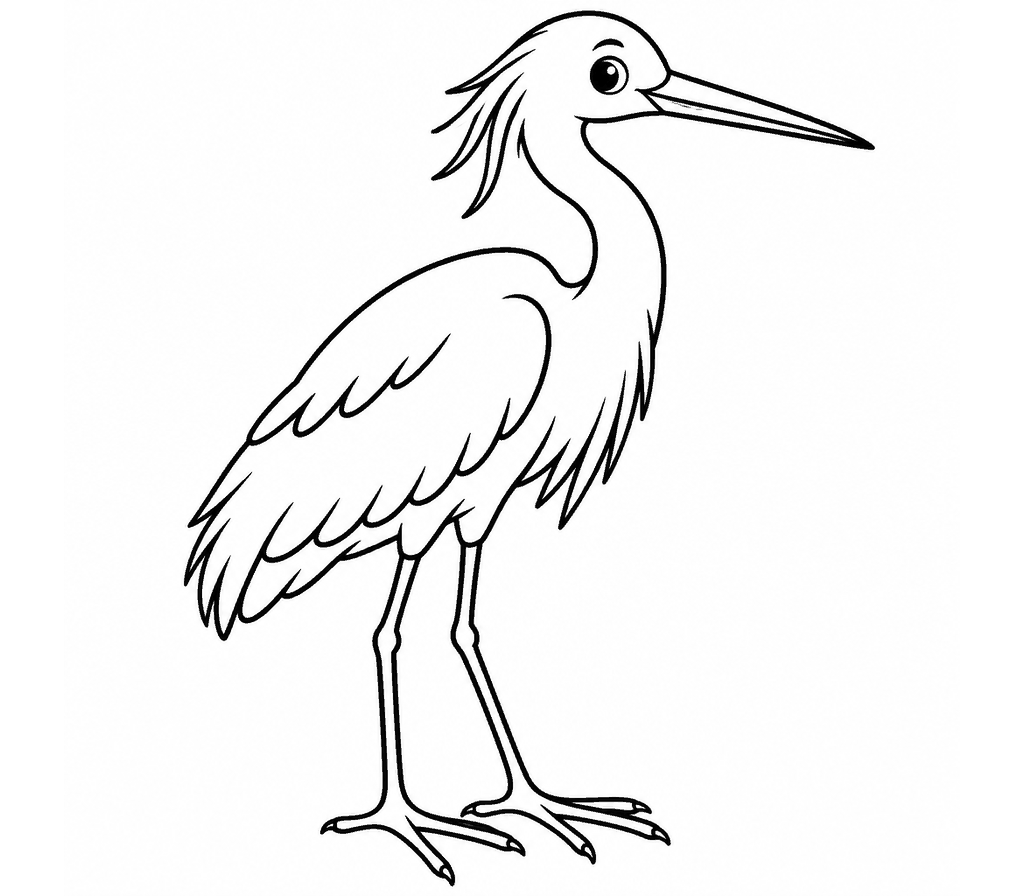
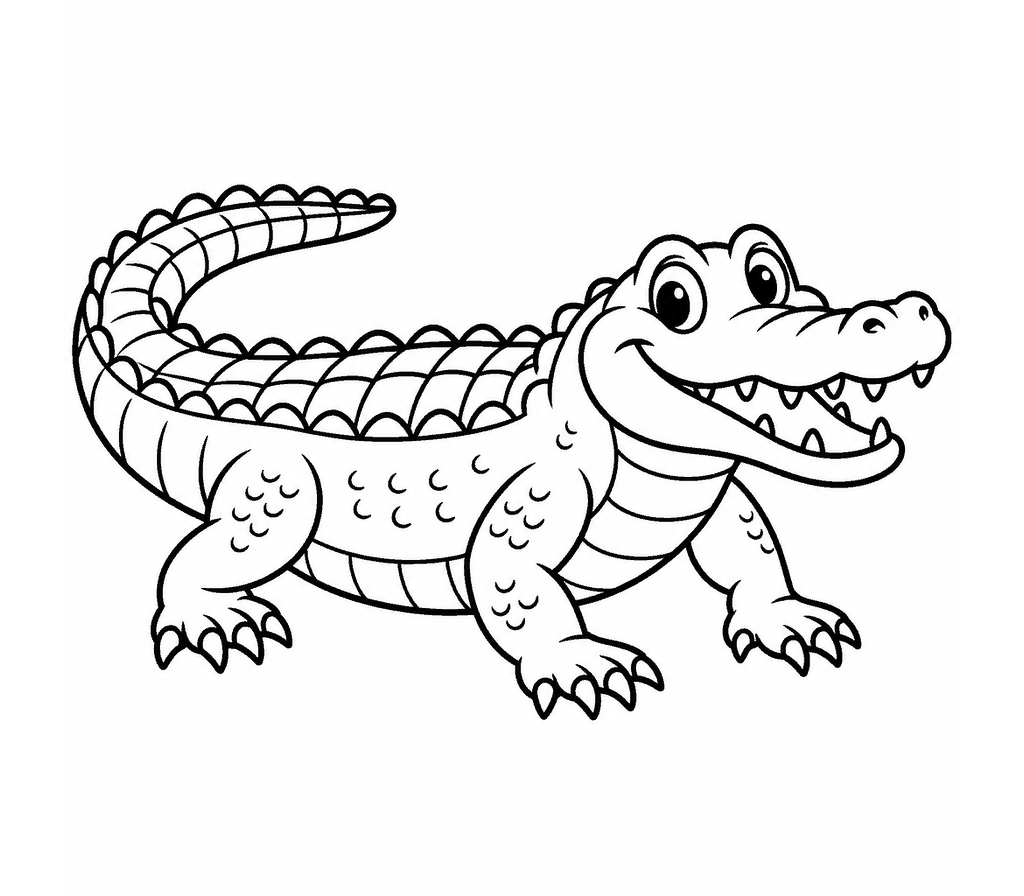
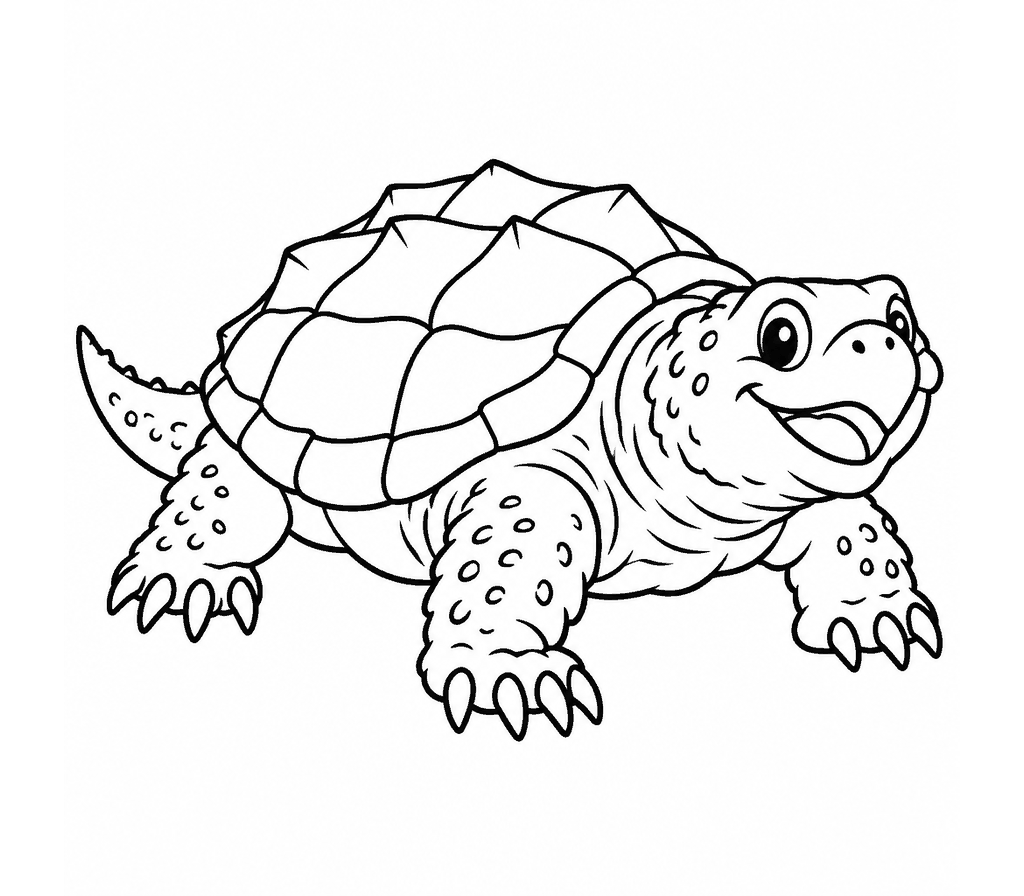
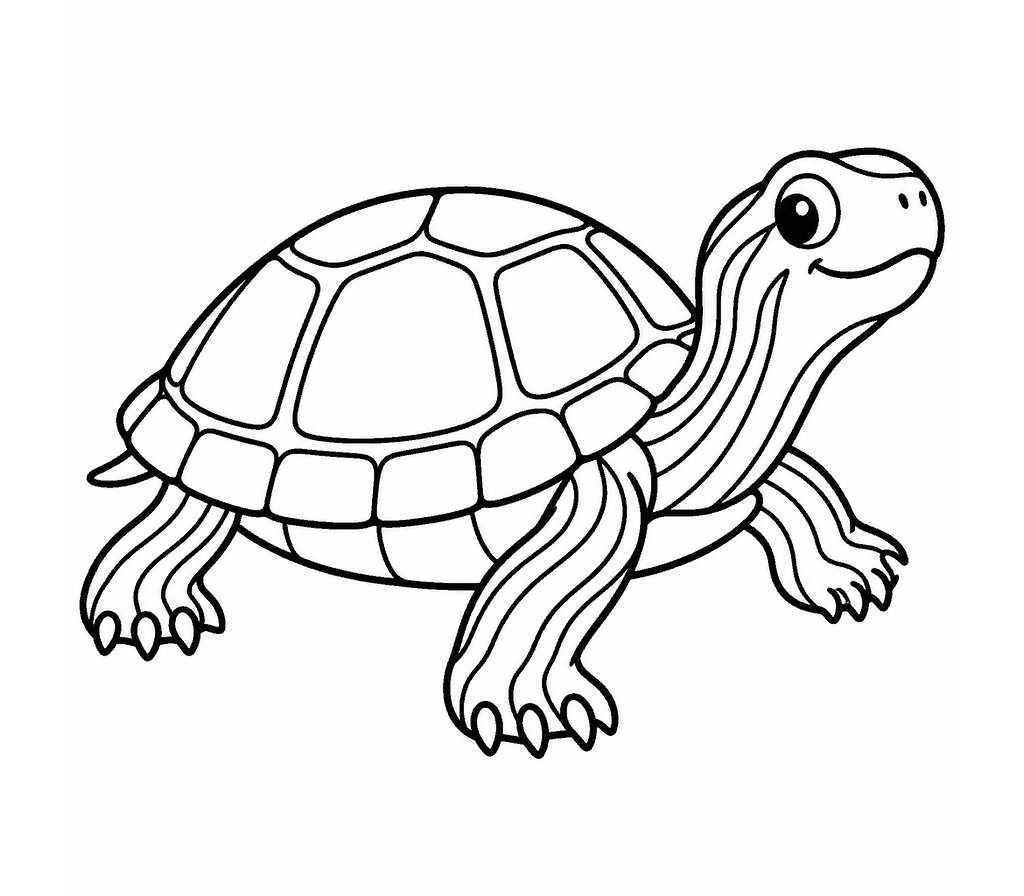
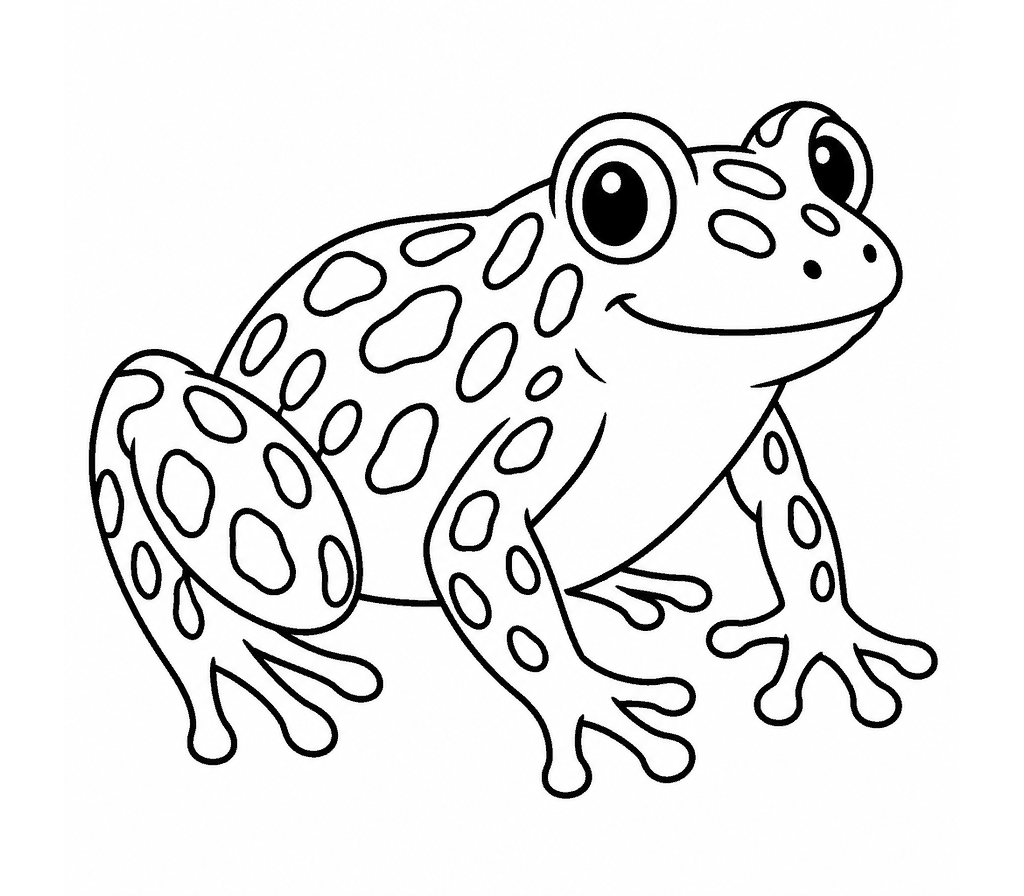
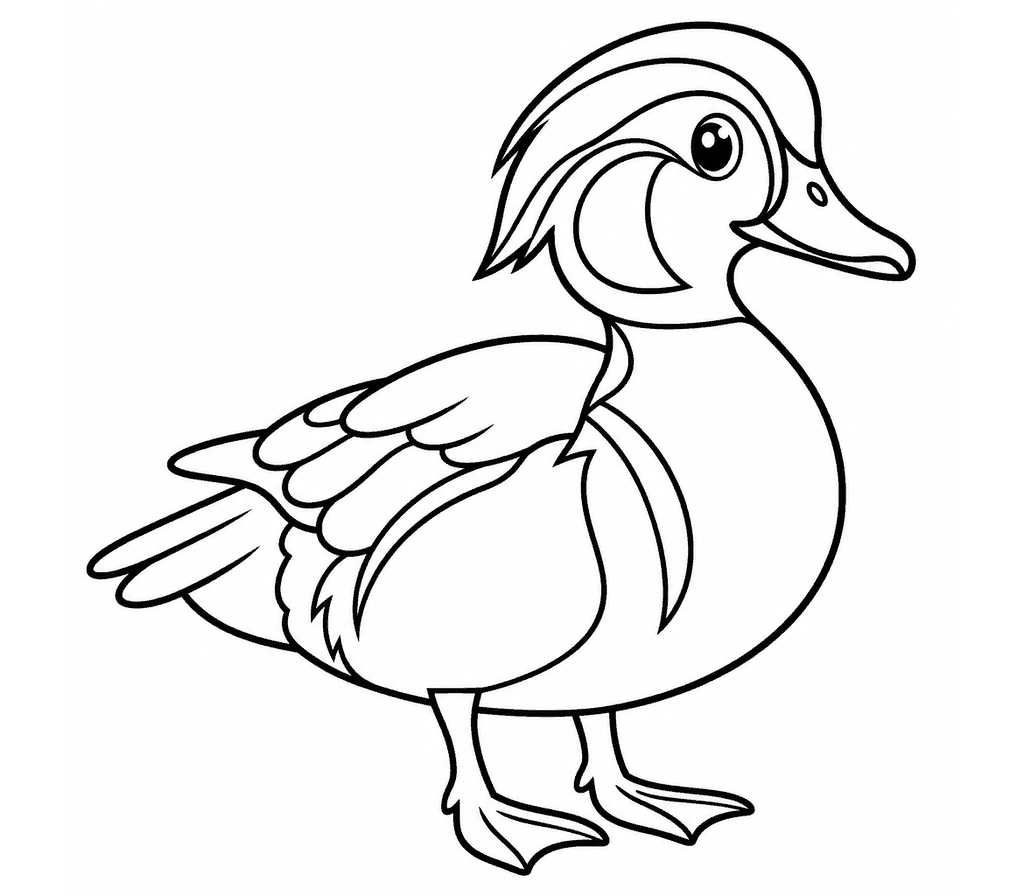
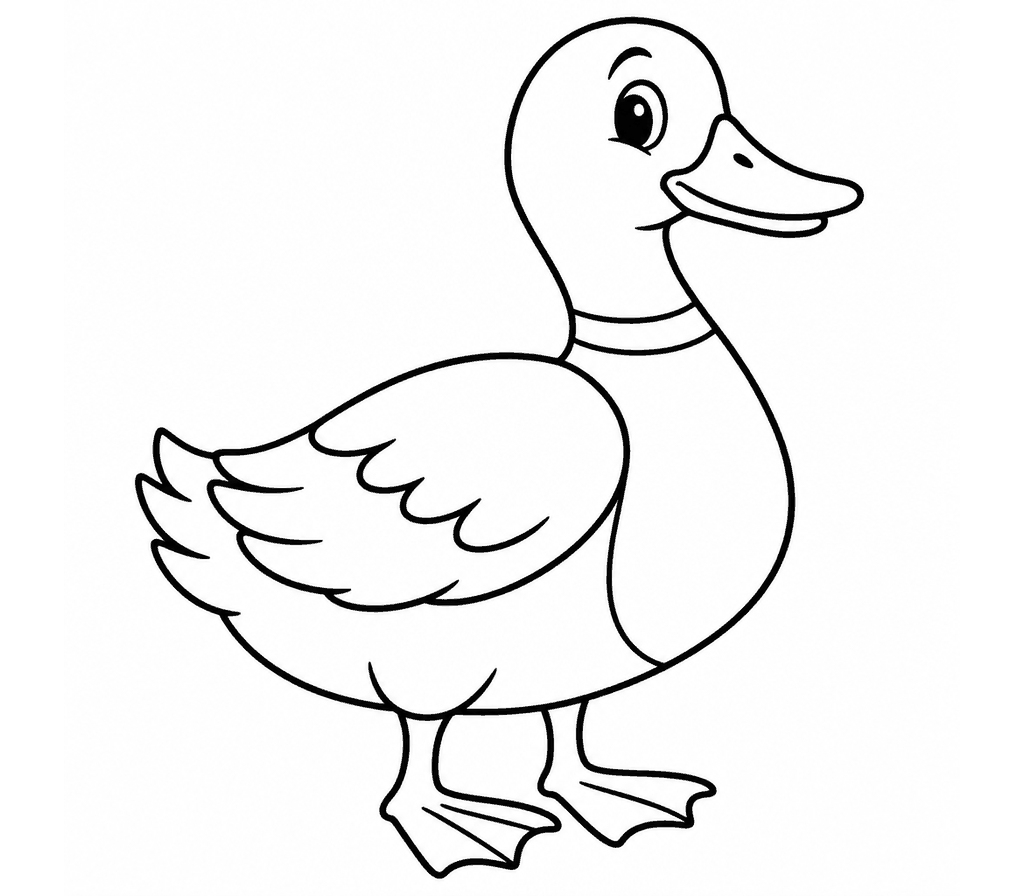

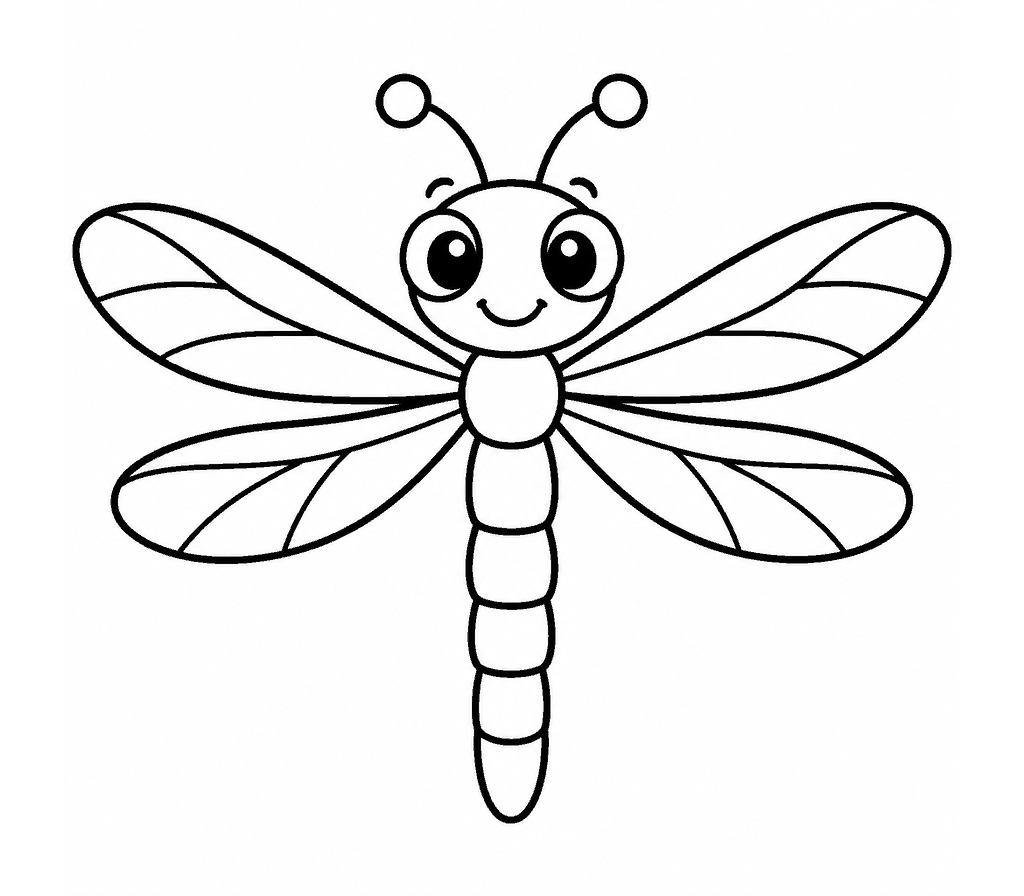
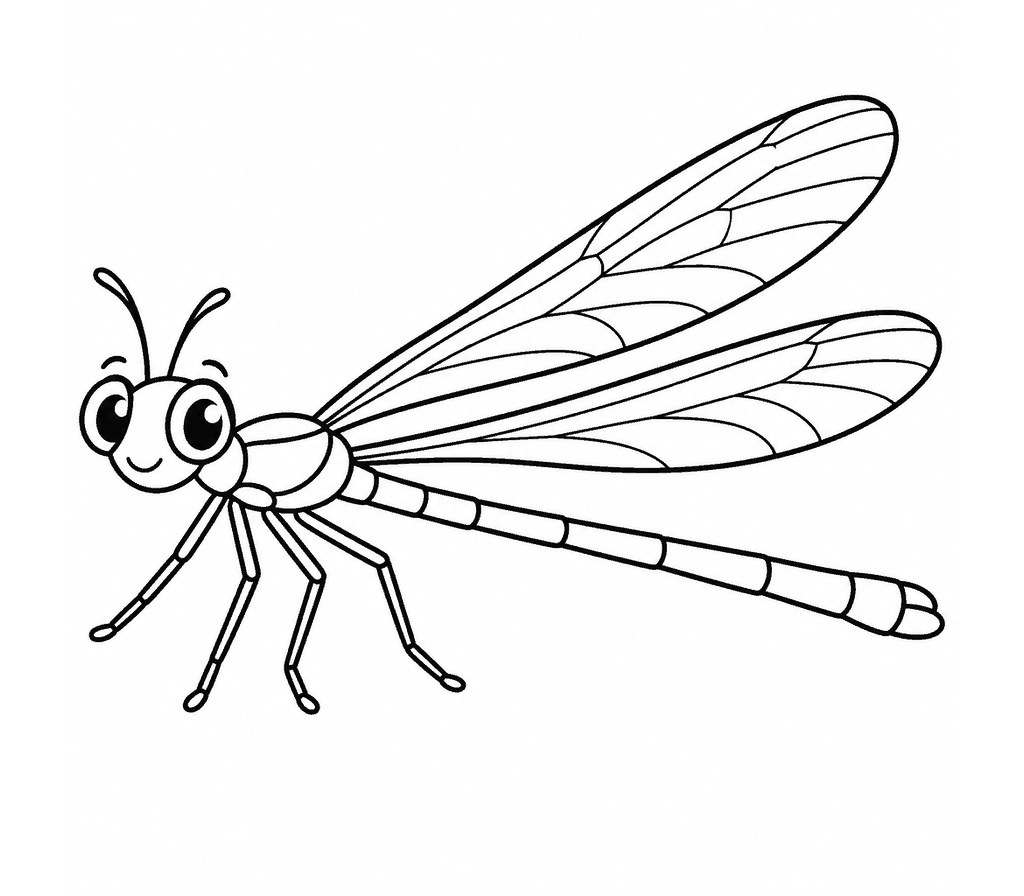
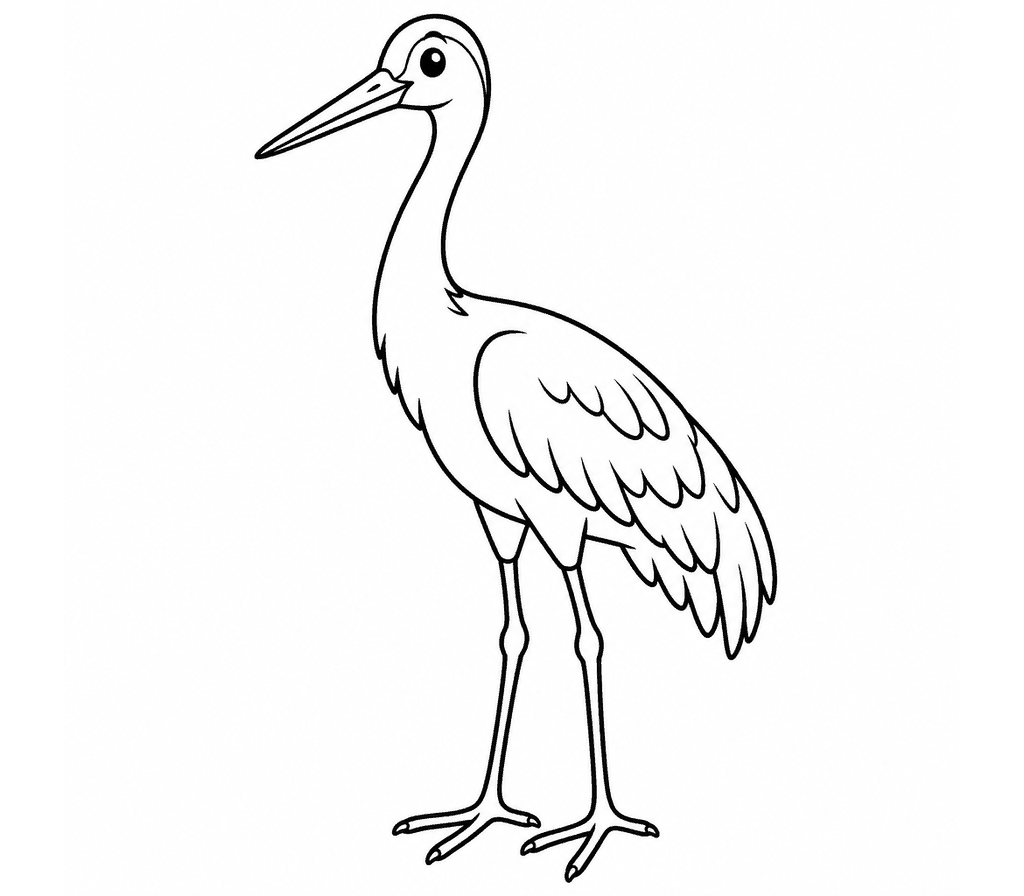

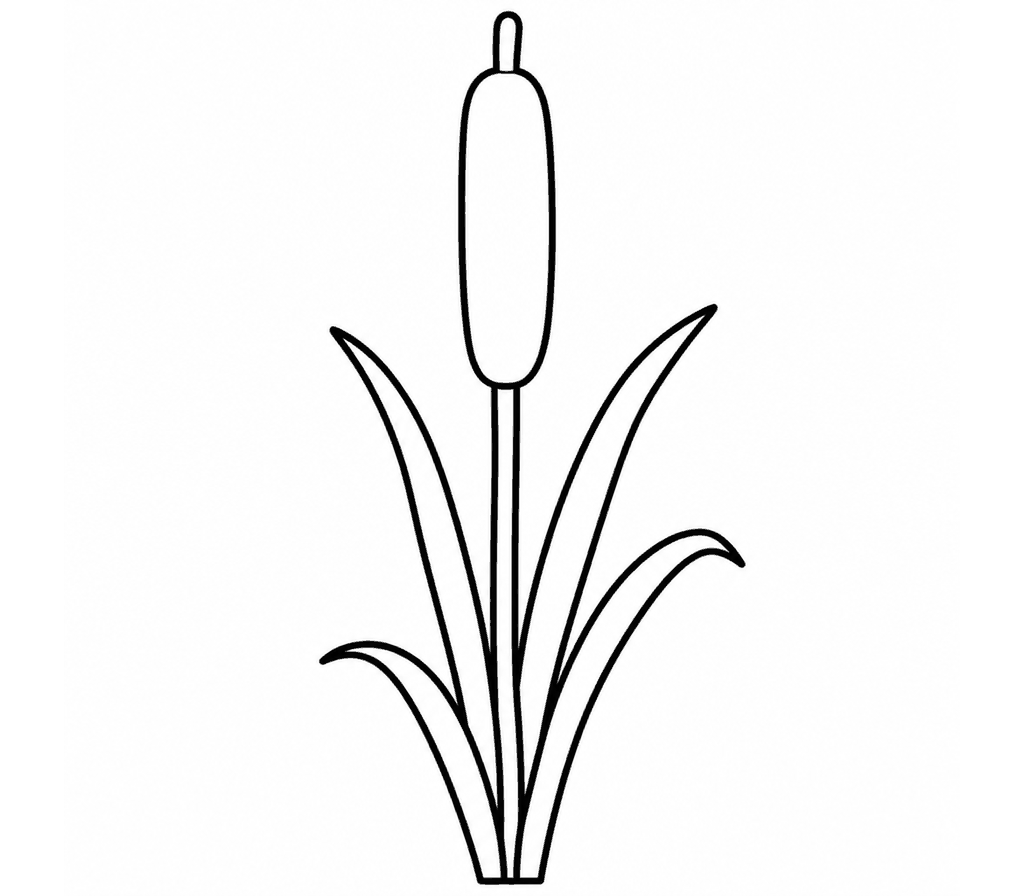
Species reference table
Every species in this pack, joined to its record in the site's species catalog (data/species.json): scientific name, family, habitat and diet as recorded there.
14 of the 17 species in this pack are in the species catalog and listed below, and 14 of them have a printable coloring page on this site. Not yet in the catalog: bullfrog, muskrat, river-otter.
| Species | Scientific name | Family | Habitat | Diet |
|---|---|---|---|---|
| Great Blue Heron | Ardea herodias | Ardeidae | North America | Carnivore |
| Snowy Egret | Egretta thula | Ardeidae | Americas | Carnivore |
| American Alligator | Alligator mississippiensis | Alligatoridae | American Southeast | Carnivore |
| Snapping Turtle | Chelydra serpentina | Chelydridae | Americas | Omnivore |
| Painted Turtle | Chrysemys picta | Emydidae | North America | Omnivore |
| Leopard Frog | Lithobates pipiens | Ranidae | North America | Carnivore |
| Wood Duck | Aix sponsa | Anatidae | North America | Omnivore |
| Mallard | Anas platyrhynchos | Anatidae | Northern Hemisphere | Omnivore |
| Beaver | Castor canadensis | Castoridae | North American rivers | Herbivore |
| Dragonfly | Anax junius | Aeshnidae | Worldwide | Carnivore |
| Damselfly | Calopteryx splendens | Calopterygidae | Worldwide | Carnivore |
| Sandhill Crane | Antigone canadensis | Gruidae | North America | Omnivore |
| Water Lily | Nymphaea odorata | Nymphaeaceae | North American ponds | not listed |
| Cattail | Typha latifolia | Typhaceae | North American wetlands | not listed |
Why this pack works
The Wetland Wildlife Pack covers North American freshwater wetlands — cattail marshes, cypress swamps, and the slow-moving rivers in between. Wading birds dominate the bird selection, with herons, egrets, ibises, and cranes; the amphibian and reptile selection focuses on species that need both water and land to complete their life cycles.
This is a particularly good pack for life-cycle units (frogs, dragonflies), water-cycle units, and ecosystem-services lessons about why wetlands matter.
Print the entire pack at once, then hand out 1–2 pages per student depending on the unit length. Each species in the pack has its own page on this site with a fun fact, the scientific name, and ecosystem and grade-band tags so you can swap individual species in or out as your unit evolves.